In line with the new season of spring, and the urge many of us feel to have a clear out at this time of year, it seemed fitting to explore the theme of Decluttering and Letting Go together.
As usual, we started simply by asking what words or ideas came to mind when people heard the theme. The list that emerged was surprisingly rich and wide-ranging.
Fear
Freedom
Emotional
Charity shop
The tip
Boxes
Shelves
Starting
Getting support
Memories
Anxiety
Satisfaction
Old age
Growing up
Clutter
Making it easier for the next generation
Swedish death cleaning
Guilt
Choice
Decisions
Discovery
Secrets revealed
Unexpected lives
The emptiness felt without things

There was also a sense of the sheer scale of the task for some people. One person described it as feeling like Everest.
We also talked about the growing industry around decluttering, and the well-known William Morris quote.
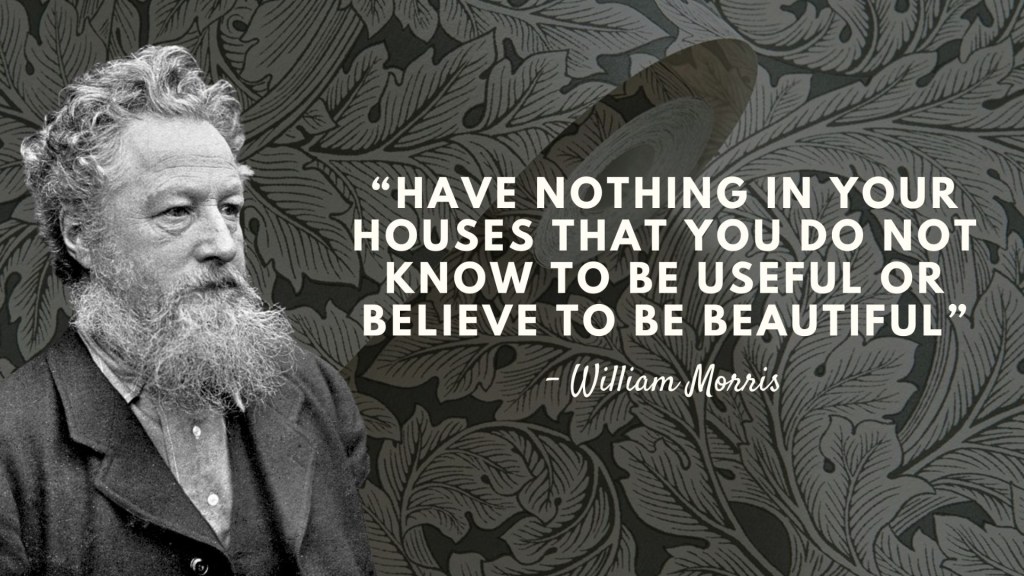
However, as the conversation unfolded it became clear that though we were interested in physical clutter and its impact, the theme was about much more than tidying cupboards. Very quickly we were talking about the stories, emotions and associations that live inside the things we keep.
Objects hold memories. They remind us of people, places, moments, and sometimes versions of ourselves we once imagined we might become. One participant talked about the craft supplies we promise ourselves we will use one day. Another spoke about jewellery given as gifts that never quite felt like “them”, yet somehow stayed.
Letting go of things can sometimes mean letting go of those imaginary versions of ourselves. Those identities we once lived but that no longer fit, people, we think we ‘should’ be but struggle to align with, or those we fantasise about becoming but have yet to occupy.
There was also a thoughtful discussion about how objects can carry our stories forward. Some people felt a hesitation about throwing things away because they imagined future generations discovering them and learning something about the lives that came before them.
It became clear there is often a balancing act. We want to hold on to the values and memories that matter, while letting go of what gets in the way of living comfortably now.
At one point someone shared a lovely example about donating a large collection of vinyl records to a charity shop. The shop later got in touch to say the records had raised over £500. Knowing that things can go on to bring value or enjoyment to someone else can make letting go feel different.
People also shared practical ways they manage the process. Apps and networks like Olio, Freecycle, Facebook Marketplace and Vinted were mentioned as ways of passing things on rather than throwing them away.
Another theme that came up was starting small. One person described gradually clearing a desk that had been piled high with papers and how at first it felt overwhelming, but little by little the surface began to appear again. That idea of momentum came up several times.
There was also a really interesting observation that clutter can sometimes become what someone called a “silent to-do list.” The meaning being that every object sitting in our space quietly asks for attention. Over time we start to filter that out because it is always there, but it still sits somewhere in our awareness.
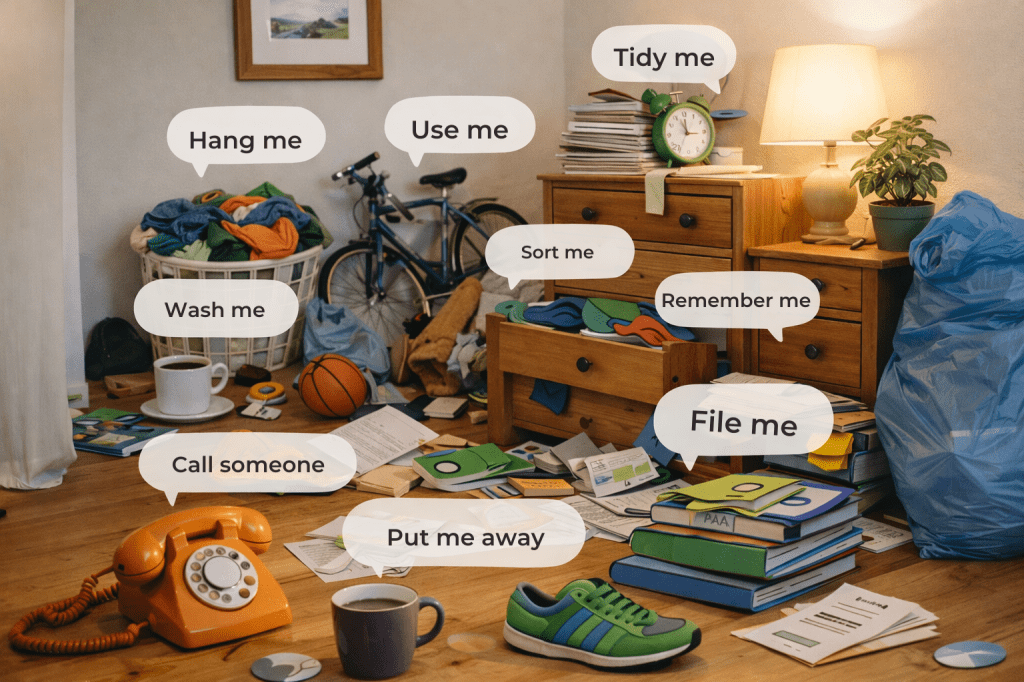
Towards the end of the discussion we began sharing strategies that people had found helpful.
One was the idea that not everything needs to be dealt with immediately. Having a box for things you are not ready to decide about yet can be a way of keeping them contained without letting them creep back into spaces you have already sorted.
Another was noticing “hotspots” where clutter naturally gathers, and designing small systems around how we actually behave. Baskets, containers, or simply removing a surface where things tend to pile up can sometimes help more than trying to force ourselves into perfect habits.
Someone else spoke about the container method, where each type of item has a home and a limit. When that space is full, it naturally prompts a decision about what matters most.
We explored the idea of visualising the space that we want to create for ourselves, and how we might feel once it’s complete, as a way of motivating ourselves to move towards that reality.
There was also a gentle reminder that this process takes time. One participant described how moving house gave them an entire year to gradually decide what they did and did not need, and how educational it was to realise it genuinely took that long to do it well. From this came the idea of timing ourselves during a short decluttering stint, simply to see how long things actually take rather than how long we imagine they will.
Towards the end I shared something I often use in workshops: the self-care circles. They describe three zones. Comfort, Challenge, Overwhelm.
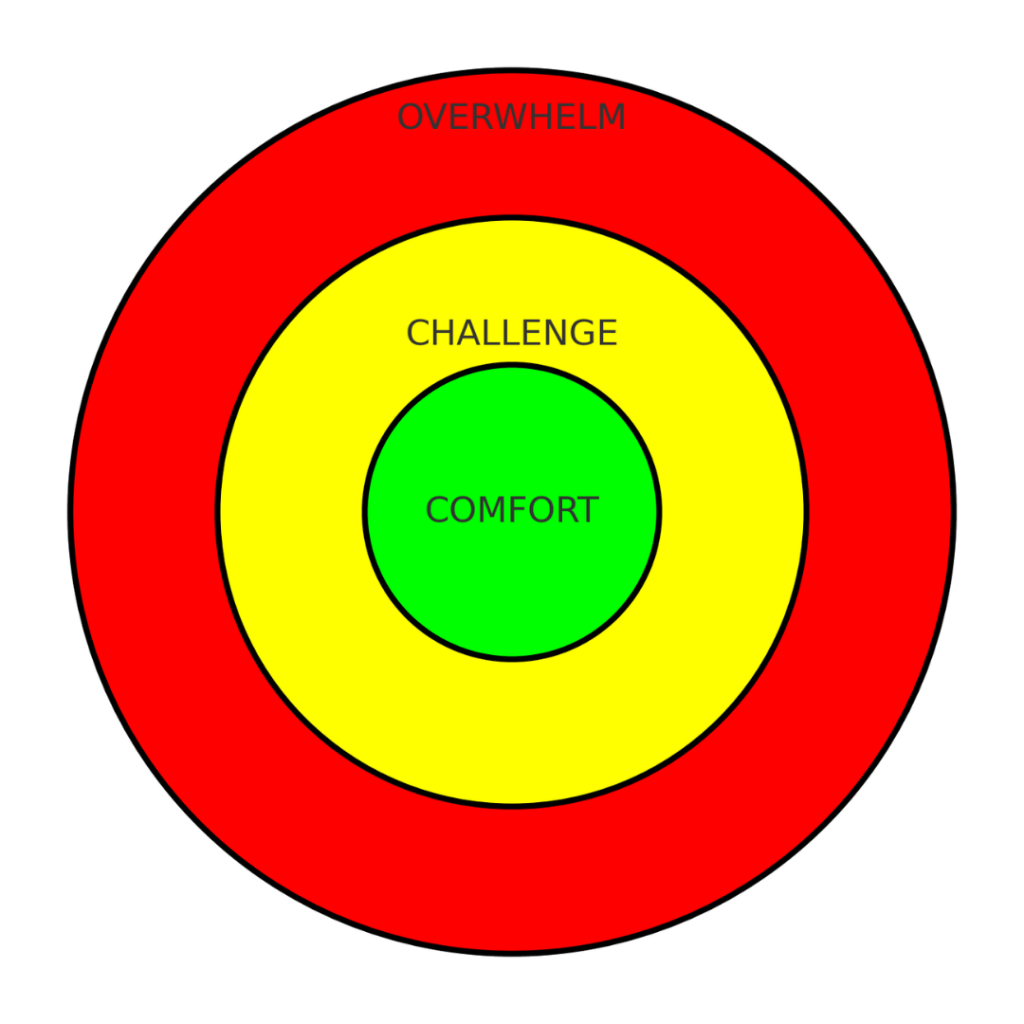
Decluttering can move us between these very quickly. Sorting through things that carry memories, or facing a space that feels chaotic, or just spending time physically moving things which is tiring, can easily push us into overwhelm. The circles help us notice when that is happening and think about how to support ourselves. Sometimes that might mean starting with easier tasks to build momentum or finding a friend to support and make it more enjoyable. Sometimes it might mean stepping away and returning later.
The conversation eventually arrived at something quite simple and quite generous. Most people in the room valued having a bit more space and organisation in their lives. But we also recognised that perfection is probably not the goal. The idea of a completely minimalist home where everything is always in the right place might be another one of those fantasy selves we can gently let go of. Instead, there was a sense of acceptance. Accepting the homes we live in, the energy we have, the time we have available, and working with that rather than against it.
We finished the session with a quick round of one-word reflections.
Inspired.
Positive.
Motivated.
And one person simply said Garage. Which made perfect sense to them, and perhaps to a few others in the room too!

 The Stories of Our Lives
Great summary.
LikeLike
Great summary.
LikeLike