Hear this blog post read aloud:
What can dance communicate? What memories does it bring back, and how does it connect us? These questions and more brought us together for two Stories of Our Lives sessions exploring dance, rhythm and movement.
On 19th September, Jean Byrne introduced dance as a means of expression beyond words. She shared her experience of joining a creative writing and dance course during lockdown, and how it opened her eyes to new possibilities. The short films and notes she shared prompted us to think about emotion, cultural heritage, freedom and our own experiences of dancing. There was so much curiosity and interest that we decided to continue the theme at our next meeting!
On 3rd October, we returned to those ideas with our Dance and Movement cards, more conversation and an introduction to salsa from Ann. Everyone could take part in their own way, through dancing, seated movement, watching or sharing their thoughts.
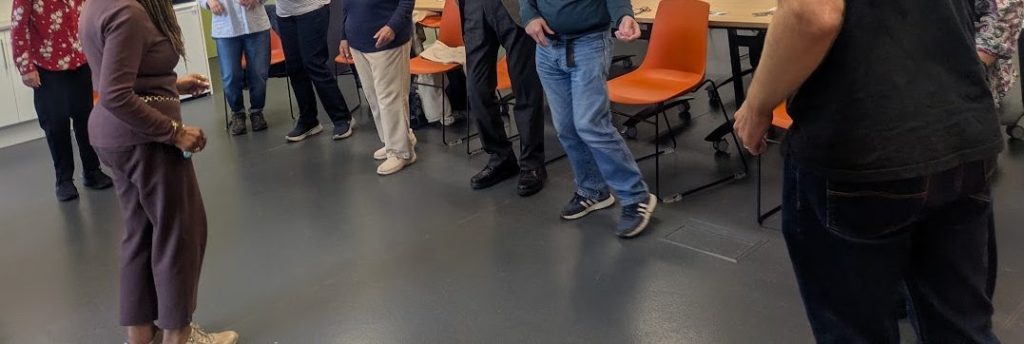
Our conversation on this topic has had a lot of range! From dancing in our heads, kitchen and chair bopping to dance as exercise or simply as an act of revolution, we covered all sorts. We wondered about what “kids these days” do when they go clubbing, and heard an intriguing story about babies responding to the Coronation Street theme after hearing it repeatedly in utero.
The reflections after dancing together were especially lovely. One person described how the support of the group encouraged them to give it a go, another spoke about the magic of a shared dance, and someone else noticed the challenge of getting their upper and lower body to cooperate, laughing and enjoying the puzzlement of it!
We closed with a beautiful image from Jean: an image of us as dancers tuning into one another, like a murmuration of starlings. It captured how we connected through our individual yet joined-up experience of moving together and finding a shared rhythm.
Thank you to Jean and Ann for inspiring us, sharing their interests and encouraging us to try something together.
We’ve also gathered some of the music from our session into a playlist, so you can enjoy listening and moving in your own way at home. You’ll find it below.
Read on to learn more about what emerged for all of us in the sessions.
Jean Byrne
New thinking on contemporary dance. A legacy of lockdown
As a child I didn’t dance. We didn’t play music much at home. I always felt uncomfortable on the dance floor unable to follow the steps and unsure about what to do with my arms. During the lockdown phase of the Covid pandemic, I took part in a zoom creative writing and dance course.
We were told to bring a poem to inspire us. I brought Touched by An Angel by Maya Angelou. The plan was to use this to create a dance performance. Each week the teacher would show us steps and say words eg “sparkle”, “tired”, “angry”, “warm”, and “cold”. Then asked us to move our bodies to interpret the words. Doing the course was inspirational and gave me a greater appreciation of dance as an art form. Working through the exercises to convert words into movement opened my eyes to the possibilities of using dance to express emotions.
Through subsequent reading I learned
“Dance is a medium through which the soul expresses itself via meaningful gestures and bodily movements that convey emotions and ideas… it allows performers to express feelings such as joy, sorrow, anger, or love in ways that words cannot fully capture… the body becomes a vessel for storytelling” .
The history of African-American social dance – Camille A. Brown
I had a chat with Aimee a ballet dancer. She said ballet uses a universal language like mime or sign language. In groups, dancers use peripheral vision and similar senses to those used by starlings in a murmuration. She said “we are all potentially detached from our bodies and dancing is a way to reconnect…” for her “dancing is painting the world around her and mapping it out with her body”
At the end of the course we had to set a goal for how we would continue our dance journey.
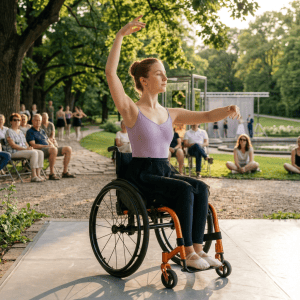
My goal was very limited – to go to see a contemporary dance performance when theatres re –opened. In the past I had avoided contemporary dance. Aimee invited us to an outdoor all ability dance festival. This opened my eyes. One group of dancers were wheelchair users. One of the performers was unable to move her lower body but how she moved her arms head and upper body was so beautiful. It was as though the wheelchair disappeared. Seeing her dance I had the same emotional response as when reading a moving piece of prose or poetry. The way I would describe her movement is like poetry in motion.
Jean Thompson
The two sessions we had on dance were a joy. Jean B led the first session and had prepared such a wonderful introduction with two videos of very different expressions of dance. It happily led us to discuss the delights of dance and what it meant to us individually. It became clear that dance was universally accepted as an important part of life and expression. When had we first become aware of dance? Nouri told us of a young baby he had witnessed who had delighted in moving his arms and hands in time to music. Is this sort of movement (dance if you want) an innate behaviour? It was suggested that children naturally dance but like other creative activities they are made to feel they should follow rules of movement, and stop being quite so free.
That is probably so, but older people are also often made to feel uncomfortable if they are too enthusiastic in their jigging about. A few years ago I was at a wedding reception watching people having a great time dancing in their own way, with their own style. Then an elderly couple got up and started dancing in a different way. Quite different but just as joyful. Some of the youngsters thought this dancing was amusing but I was moved that they were still enjoying their dancing. I wrote this after that.
Evelyn and George
Evelyn and George. Evelyn and George.
Such lovely dancers
Evelyn and George.

Proudly dancing with careful
Long remembered step.
Evelyn and George. Evelyn and George.
Such lovely dancers,
Evelyn and George.
Her body held stiffly, holding in
Memories of more passionate times.
Lightly sagging, around past dreams.
Hair once thick and strong
Now lightly fluffed around her head.

Young people smiling in unseeing way.
Thinking how sad that two old people
Still tried to cut it on the ballroom floor.

They will not be like that, they think.
When they are old with glamour gone.
They will quietly fade away,
Not embarrass others with their determination
To be partners still in the dance of life.

Evelyn and George, Evelyn and George
Just keep on dancing, all your life!
The second session was a reflection on what we had talked about previously, and Jolene had prepared some prompt cards so we could discuss in pairs our thoughts. Again, wonderful observations and memories. Then Anne got us all up and introduced the Colombian Salsa to reinforce that we could all have rhythm at whatever level we felt comfortable with. What a delight for a Saturday morning. We ended feeling that we did indeed all have rhythm.
Tony Goulding
Dance
I have to admit that my initial reaction to this theme was a little negative. However, my interactions with the group made me appreciate the simple joy in movement, whether as an active participant or an observer. A salsa taster session, ably led by Ann, provided ample evidence of this; especially as motivated by the group dynamics, I joined in.
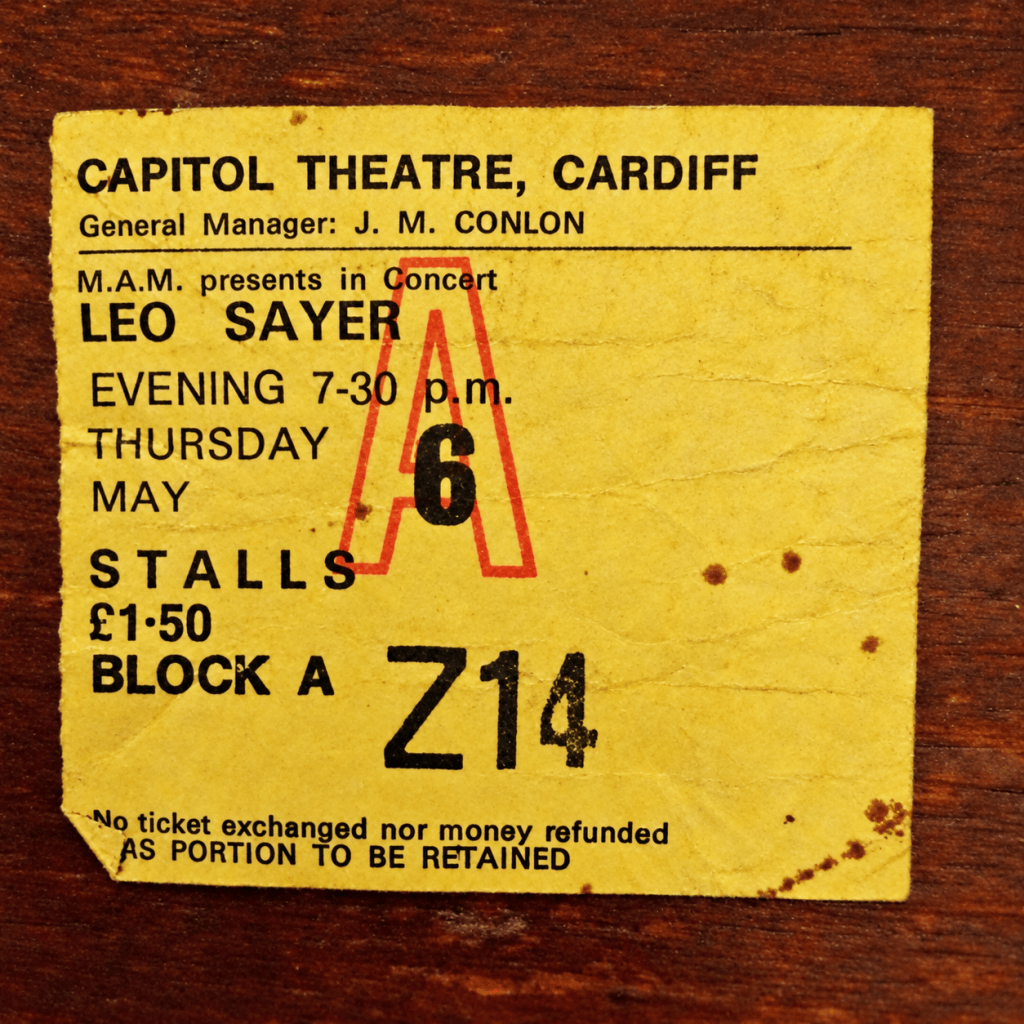
During our exploration of the topic, while remembering the songs that propelled me onto the dance floor, I was also able to recall the times when I actually enjoyed “dancing”. My all-time favourite was “Tiger Feet” by Mud closely followed by Elvis’s “Jailhouse Rock” and Leo Sayer’s, “Long Tall Glasses (I Can Dance)”. I once saw an exuberant performance of this song at a concert by him on a memorable night in The Capitol Theatre, Cardiff.